
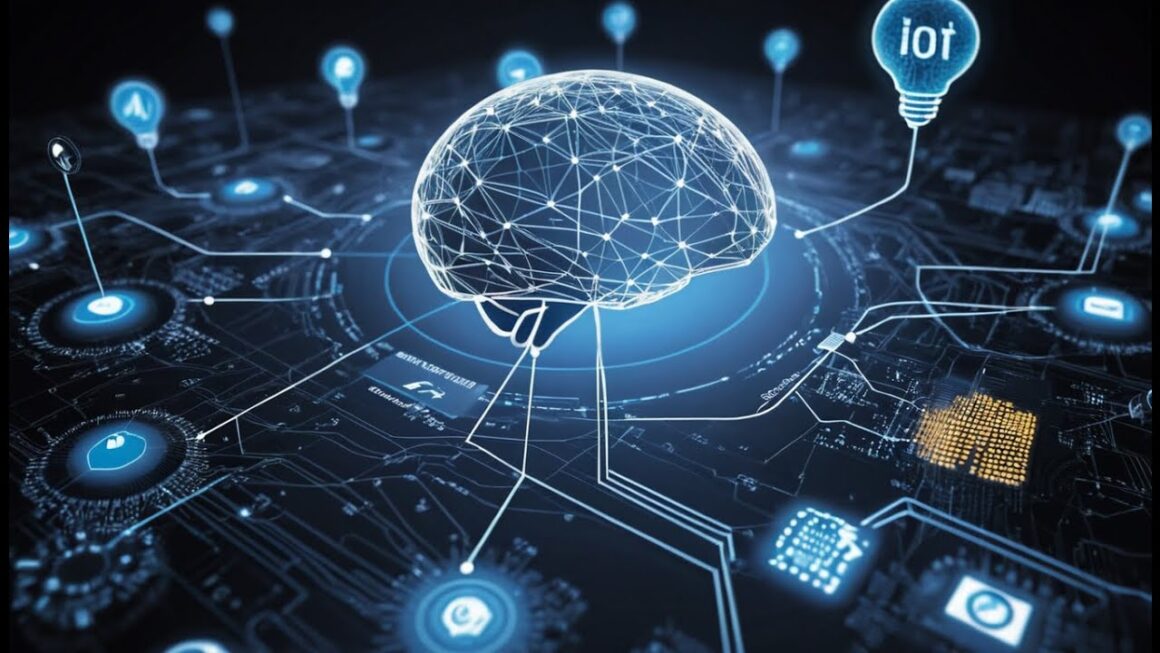
The Internet of Things connects billions of devices embedded with sensors, software, and network connectivity, enabling them to collect and exchange data without human intervention. From smart home appliances adjusting based on usage patterns to industrial sensors monitoring equipment performance, IoT technology creates intelligent environments responding dynamically to real-world conditions. This interconnected ecosystem generates unprecedented data volumes providing insights into everything from consumer behavior to infrastructure efficiency. As device costs decrease and connectivity expands, IoT applications proliferate across industries, fundamentally changing how we interact with physical spaces and objects.
Smart Home Applications and Consumer Adoption
Smart thermostats learn household schedules and preferences, automatically adjusting temperature for comfort and energy efficiency while providing remote control through smartphone applications. Connected lighting systems change colors and intensity based on time of day, activities, or voice commands, creating ambiance while reducing electricity consumption. Security cameras and doorbell systems stream live video, send alerts about detected motion, and enable remote communication with visitors from anywhere. Smart appliances from refrigerators tracking inventory to washing machines optimizing cycles based on load characteristics add convenience while reducing waste. Voice assistants integrate various smart home devices, providing centralized control through natural language commands. Energy monitoring reveals consumption patterns for individual appliances, identifying opportunities for savings and highlighting unusual usage potentially indicating malfunctions. However, privacy concerns arise as devices continuously collect data about daily routines, conversations, and habits. Interoperability challenges frustrate users when devices from different manufacturers fail to communicate seamlessly, creating fragmented ecosystems requiring multiple applications for control.
Industrial and Commercial Applications
Predictive maintenance sensors monitor industrial equipment vibration, temperature, and performance metrics, identifying potential failures before breakdowns occur and scheduling repairs during planned downtime. Supply chain tracking provides real-time visibility into shipment locations and conditions, ensuring product integrity and optimizing logistics. Smart agriculture employs soil moisture sensors, weather monitoring, and automated irrigation systems maximizing crop yields while minimizing water usage. Healthcare devices from continuous glucose monitors to implanted pacemakers transmit patient data to medical professionals, enabling remote monitoring and early intervention. Smart city infrastructure includes traffic sensors optimizing signal timing, parking systems directing drivers to available spaces, and waste management monitoring fill levels for efficient collection routing. Retail analytics track customer movement patterns through stores, measuring product engagement and optimizing layouts. Energy grids incorporate smart meters enabling dynamic pricing and distributed generation integration from solar panels and other renewable sources. Manufacturing environments coordinate robots, conveyors, and quality control systems autonomously, increasing productivity while reducing errors and workplace injuries.
Security Challenges and Future Directions
IoT security presents unique challenges as many devices lack processing power for robust encryption and authentication while remaining online continuously, creating persistent attack surfaces. Default passwords and infrequent security updates leave devices vulnerable to exploitation, with compromised devices forming botnets launching massive distributed denial of service attacks. Network segmentation isolates IoT devices from critical systems, limiting potential damage from compromised smart bulbs or cameras. Privacy regulations increasingly address IoT data collection, though enforcement struggles to keep pace with technology deployment. Edge computing processes data locally on devices rather than transmitting everything to centralized servers, reducing bandwidth requirements, improving response times, and enhancing privacy. Standardization efforts aim to improve interoperability and security across manufacturers, though competing standards sometimes add confusion rather than clarity. As 5G networks expand providing faster speeds and lower latency, IoT applications requiring real-time responsiveness from autonomous vehicles to remote surgery become feasible. The convergence of IoT with artificial intelligence enables devices to not merely collect data but learn from it, creating truly intelligent environments adapting autonomously to changing conditions and user needs.