
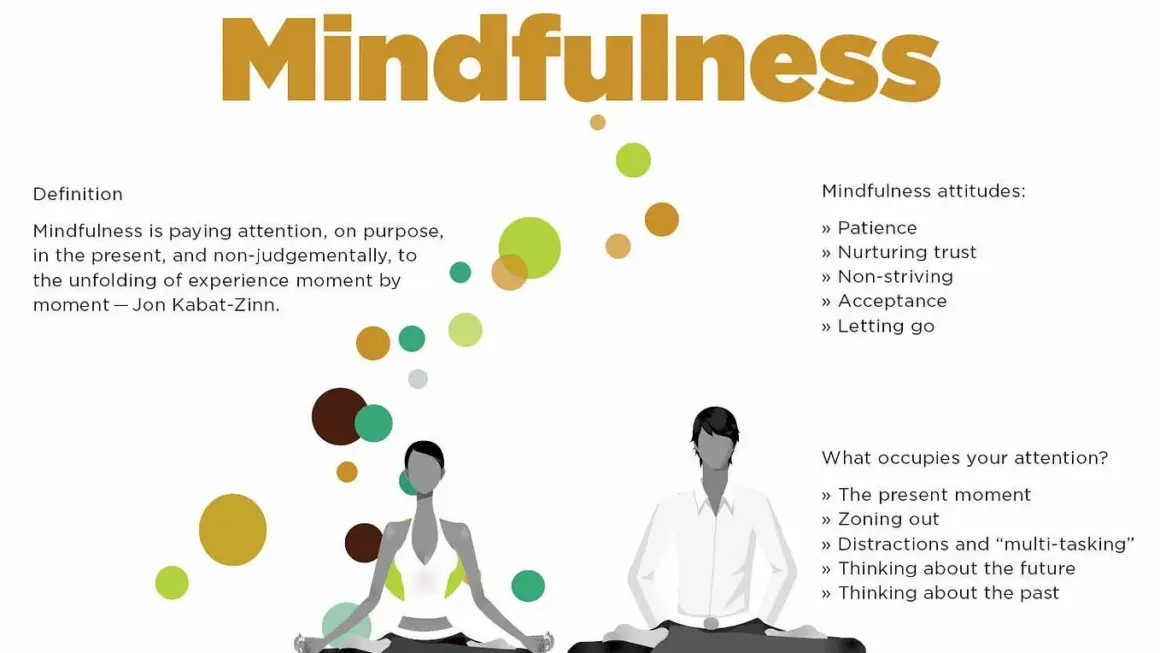
Consumer culture bombards people with messages equating purchases with happiness, success, and identity, encouraging constant acquisition regardless of actual needs. Marketing psychology exploits cognitive biases and emotional triggers, making impulse purchases feel irresistible in the moment despite later regret. The average household contains thousands of items, many rarely or never used, representing wasted money and cluttered spaces. Mindful consumption involves intentionally evaluating purchases against values and genuine needs rather than reacting to marketing manipulation or social pressure. This approach reduces financial stress, environmental impact, and the psychological burden of excessive possessions while increasing satisfaction from deliberate choices aligned with authentic priorities.
Understanding Consumer Psychology and Triggers
Scarcity messaging creating artificial urgency through limited-time offers and low-stock warnings pressures quick decisions preventing thoughtful evaluation. Social proof leveraging popularity claims and customer testimonials suggests that everyone else is buying, triggering fear of missing out. Anchoring effects make sale prices seem appealing by comparison to inflated original prices regardless of actual value. Loss aversion makes potential savings feel more compelling than equivalent gains, even when no purchase is necessary. Emotional shopping uses retail therapy to manage stress, boredom, or unhappiness, providing temporary relief without addressing underlying issues. Environmental design in stores and websites guides attention toward high-margin impulse items through strategic placement and visual hierarchy. Default options and subscription models create friction around cancellation while making purchase completion effortless. Understanding these tactics builds resistance by recognizing manipulation attempts for what they are rather than accepting them as genuine needs or opportunities.
Practical Strategies for Intentional Purchasing
Shopping lists created when calm and focused prevent reactive purchases made under store influence, keeping spending aligned with predetermined needs. Waiting periods imposing mandatory delays between desire and purchase allow initial excitement to fade, revealing whether items truly add value or represented momentary impulses. Cost-per-use calculation divides item prices by expected usage frequency, making expensive but frequently used items better values than cheap purchases gathering dust. Values alignment questions whether purchases support stated priorities around sustainability, quality, experiences, or other personal principles. Unsubscribing from marketing emails and unfollowing shopping accounts reduces exposure to purchase prompts and artificial desire creation. Cash-only shopping for discretionary categories makes spending psychologically real in ways that credit cards obscure through delayed payment. One-in-one-out rules requiring disposal of existing items before acquiring new ones maintains equilibrium while forcing consideration of actual necessity. Quality over quantity prioritizes durable well-made items even at higher prices versus cheap disposable alternatives requiring frequent replacement.
Building Alternative Sources of Fulfillment
Experiences from concerts to travel to classes create lasting memories and personal growth that material possessions rarely match, though marketing presents acquisition as the path to fulfillment. Skill development and hobbies provide ongoing engagement and accomplishment that passive consumption cannot replicate. Relationships require time and attention rather than purchases, with meaningful connection often suffering when work hours increase to fund unnecessary spending. Creative expression through writing, music, art, or crafts generates satisfaction from creation rather than consumption. Nature exposure and physical activity improve wellbeing without commercial transaction, offering free alternatives to shopping as leisure activity. Volunteer work and community involvement create purpose and connection that material accumulation never provides. Gratitude practices focusing attention on what you already possess reduces perpetual desire for more by cultivating appreciation rather than scarcity mindset. Identity formation beyond consumer choices develops self-concept rooted in character, relationships, and contributions rather than brands and possessions. The irony is that reducing consumption focus often increases life satisfaction, as time and energy previously devoted to earning, shopping, and managing stuff becomes available for activities generating genuine fulfillment. Breaking shopping addiction or compulsive buying may require professional support when purchases create serious financial or relationship problems, as underlying psychological issues often drive excessive consumption beyond typical marketing influence.