
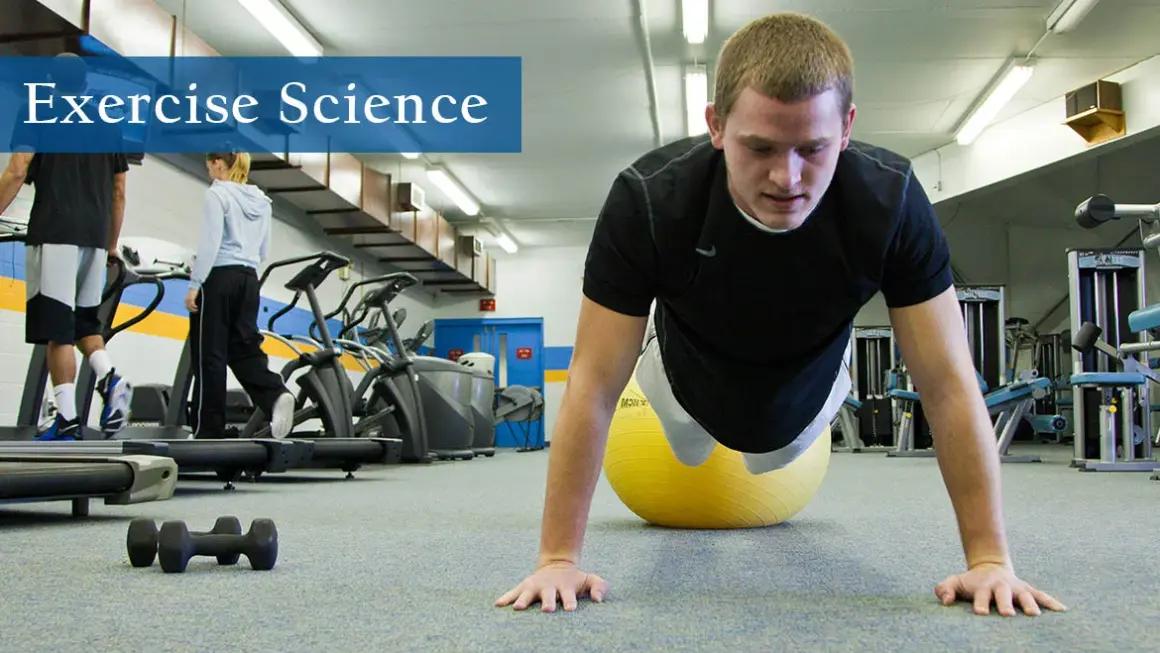
Exercise science has evolved from basic fitness guidelines to sophisticated understanding of how different training modalities affect bodies at cellular levels. Research consistently demonstrates that physical activity represents one of the most powerful interventions for health, disease prevention, and quality of life enhancement. Yet confusion persists about optimal exercise approaches, with conflicting advice and fitness trends often contradicting scientific evidence. Understanding fundamental principles allows individuals to design effective programs matching personal goals, whether building strength, improving cardiovascular health, enhancing athletic performance, or simply maintaining functional capacity throughout aging.
Cardiovascular Training Principles
Aerobic exercise strengthens the heart and lungs, improving oxygen delivery throughout the body while reducing cardiovascular disease risk. Moderate intensity sustained for longer durations builds aerobic base and endurance capacity. High-intensity interval training alternates brief intense efforts with recovery periods, providing cardiovascular benefits in shorter time frames while potentially burning more calories post-exercise through elevated metabolic rate. Zone training targets specific heart rate ranges optimizing different adaptations, from fat burning to lactate threshold improvement. Cross-training incorporating various activities from running to swimming to cycling prevents overuse injuries while providing mental variety. Progressive overload gradually increases duration, intensity, or frequency, driving continuous adaptation rather than plateauing. Recovery remains crucial, as cardiovascular improvements occur during rest periods following training stimulus. Excessive training without adequate recovery leads to overtraining syndrome, degrading performance and increasing injury risk. Individual variation means optimal training volume and intensity differs between people based on genetics, training history, age, and life circumstances requiring program personalization.
Strength Training and Muscle Development
Resistance training builds muscle mass, increases bone density, improves metabolic health, and maintains functional strength preventing age-related decline. Compound exercises engaging multiple muscle groups like squats, deadlifts, and presses provide efficient full-body workouts. Isolation exercises target specific muscles for balanced development or addressing weaknesses. Progressive resistance gradually increasing weight, repetitions, or difficulty drives strength gains through mechanical tension, metabolic stress, and muscle damage triggering adaptation. Repetition ranges affect outcomes, with lower repetitions at higher weights emphasizing strength while higher repetitions at moderate weights build endurance, though considerable overlap exists. Rest periods between sets influence training effects, with longer rest maximizing strength development while shorter intervals increase metabolic demand. Training frequency balances stimulus and recovery, with muscle groups typically requiring forty-eight to seventy-two hours between sessions for optimal growth. Proper form prevents injuries and ensures targeted muscles receive appropriate stimulus rather than compensation by stronger muscle groups. Nutrition, particularly protein intake and overall caloric balance, determines whether training builds muscle or simply maintains existing mass.
Flexibility, Mobility, and Injury Prevention
Flexibility refers to muscle and tendon lengthening capacity while mobility encompasses joint range of motion including strength and control throughout that range. Static stretching holding positions for extended periods improves flexibility but may temporarily reduce power output, making it better suited for post-workout rather than warm-up. Dynamic stretching involving controlled movements through range of motion prepares body for activity while improving mobility. Foam rolling and self-myofascial release techniques reduce muscle tension and improve tissue quality, though mechanisms remain debated. Movement quality matters more than maximum range, as excessive flexibility without corresponding strength creates injury vulnerability. Warm-up routines gradually increase heart rate and body temperature while rehearsing movement patterns used during main workout. Cool-down periods allow gradual return to resting state while beginning recovery process. Adequate sleep enables muscle repair and nervous system recovery essential for adaptation and injury prevention. Listening to body signals distinguishing productive discomfort from pain indicating potential injury prevents minor issues from becoming serious problems. Cross-training and periodization varying training focus prevents repetitive stress while maintaining year-round progress toward multiple fitness dimensions rather than narrow specialization risking burnout and overuse injuries.