
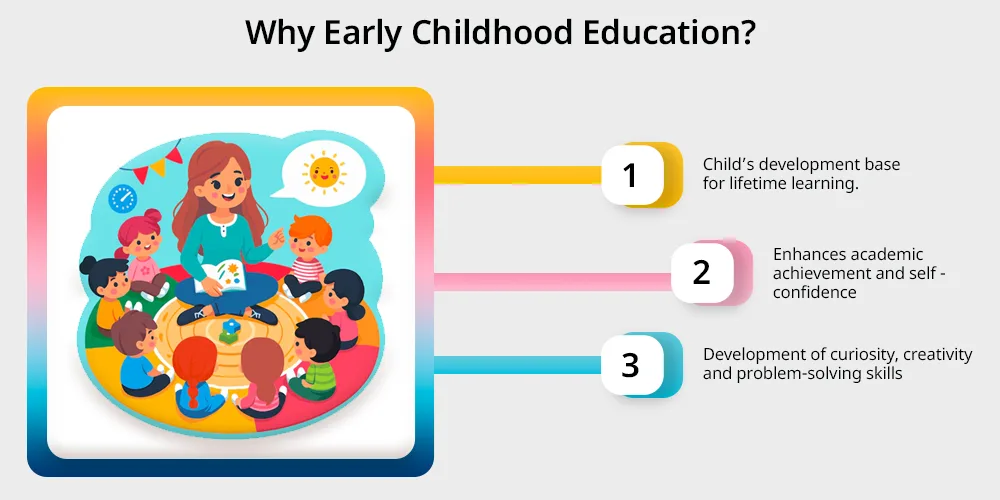
Early childhood represents a critical period for brain development when neural connections form at unprecedented rates, establishing foundations for all future learning, behavior, and health. High-quality early education provides far-reaching benefits extending well beyond academic preparation, influencing social-emotional development, executive function, and even adult earnings and health outcomes. Yet access to quality programs remains uneven, with disadvantaged children often lacking opportunities available to more affluent peers, contributing to persistent achievement gaps. Understanding what constitutes effective early childhood education helps parents make informed choices while informing policy discussions about public investment in young children.
Developmental Domains and Integrated Learning
Cognitive development in early childhood involves more than academic skills, encompassing problem-solving, memory, attention, and symbolic thinking emerging through play and exploration. Language acquisition accelerates dramatically during these years, with vocabulary growth and grammatical understanding laying foundations for literacy and communication. Social-emotional learning teaches children to identify and regulate emotions, develop empathy, form relationships, and navigate social situations successfully. Physical development encompasses both gross motor skills like running and climbing and fine motor skills like holding pencils and manipulating small objects. Creative expression through art, music, and dramatic play fosters imagination while developing skills from spatial reasoning to emotional processing. Quality programs integrate these domains rather than isolating academic instruction, recognizing that young children learn holistically through active engagement with their environment. Play-based learning allows children to explore interests, test hypotheses, and practice skills in low-stakes contexts that build confidence and intrinsic motivation.
Teacher Qualifications and Program Quality Indicators
Teacher education and ongoing professional development directly correlate with program quality and child outcomes, yet early childhood educators often receive less training and lower compensation than K-12 teachers despite equally important roles. Low child-to-teacher ratios enable individualized attention and responsive interactions impossible in overcrowded classrooms. Curriculum frameworks provide structure and developmental appropriateness while allowing flexibility for child interests and teachable moments. Assessment focuses on authentic observation of children during activities rather than standardized testing inappropriate for young ages. Safe, stimulating environments with diverse materials invite exploration and accommodate different learning styles and developmental levels. Family engagement through regular communication, conferences, and involvement opportunities strengthens home-school connections supporting consistent child development. Cultural responsiveness honors diverse backgrounds and languages while helping all children develop positive identities and appreciation for differences. Licensing and accreditation standards provide minimum quality benchmarks, though significant variation exists among programs meeting basic requirements.
Long-Term Benefits and Investment Returns
Longitudinal research tracking children from quality early education programs into adulthood demonstrates impressive effects persisting decades later. School readiness improves across academic and social-emotional dimensions, with children entering kindergarten better prepared to succeed. Achievement gaps narrow when disadvantaged children access quality programs comparable to advantages their affluent peers receive. High school graduation rates and college attendance increase for early education participants compared to similar children without access. Adult earnings show measurable differences, with quality early education representing one of highest-return public investments when considering lifetime effects. Criminal justice involvement decreases, generating substantial savings in incarceration and court costs. Economists calculate returns exceeding initial investments many times over when accounting for increased productivity and reduced social costs. However, these benefits depend on program quality, with poorly implemented programs showing minimal effects. The most effective programs combine classroom education with comprehensive family support services addressing health, nutrition, and parenting. Universal access versus targeted programs for disadvantaged children involves policy tradeoffs between maximum impact concentration and broader social benefits of mixed-income settings. The fundamental conclusion remains consistent: investing in early childhood education generates among the highest returns of any public expenditure, both for individuals and society, making expanded access an economic imperative beyond moral consideration.