
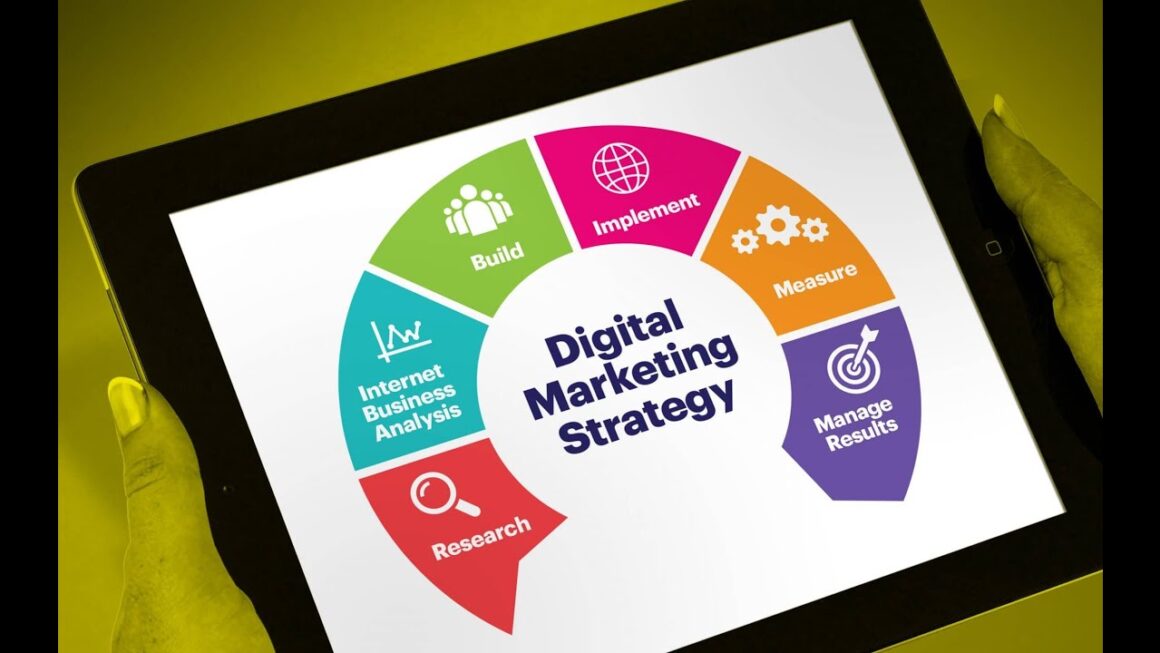
Digital marketing has revolutionized how businesses connect with customers, offering unprecedented targeting precision, measurability, and cost-effectiveness compared to traditional advertising. The digital landscape constantly evolves as new platforms emerge, algorithms change, and consumer behaviors shift, requiring marketers to maintain continuous learning and adaptation. Successful digital strategies integrate multiple channels from search engines to social media to email, creating cohesive experiences guiding prospects through awareness, consideration, and conversion. Understanding foundational principles while remaining flexible to tactical adjustments enables businesses to build sustainable customer acquisition and retention systems.
Search Engine Optimization and Content Marketing
Search engine optimization improves website visibility in organic search results through technical optimization, quality content creation, and authoritative backlink acquisition. Keyword research identifies terms potential customers actually use when seeking solutions, informing content strategy and on-page optimization. Technical SEO ensures search engines can crawl, index, and understand website content through proper site structure, mobile responsiveness, and page speed optimization. Content marketing provides valuable information answering customer questions and solving problems, establishing expertise while attracting organic traffic. Blog posts, guides, videos, and infographics serve dual purposes of customer education and search engine visibility. Link building from reputable websites signals authority and trustworthiness to search algorithms, though quality matters far more than quantity. Local SEO optimizes for geographic searches crucial for businesses serving specific areas through consistent directory listings and location-specific content. However, SEO requires patience as results typically accumulate gradually over months rather than delivering immediate traffic spikes like paid advertising.
Paid Advertising and Social Media Marketing
Pay-per-click advertising on search engines captures high-intent customers actively seeking solutions, though competitive keywords can become expensive. Display advertising builds brand awareness through visual ads across websites, apps, and video platforms, typically generating lower immediate conversion but contributing to overall marketing effectiveness. Social media advertising leverages detailed demographic and interest targeting, reaching specific audience segments on platforms where they spend time. Retargeting shows ads to people who previously visited websites or engaged with content, recapturing attention from warm prospects more likely to convert than cold audiences. A/B testing compares ad variations, landing pages, and targeting approaches, optimizing campaigns through data rather than assumptions. Conversion tracking measures which marketing activities actually generate desired outcomes, enabling budget allocation toward highest-performing channels. Organic social media builds community and engagement through regular posting, responding to comments, and participating in conversations, though algorithmic changes increasingly limit unpaid reach. Influencer marketing leverages trusted voices within niche communities, though authenticity and audience alignment matter more than follower counts. Email marketing maintains direct communication channels with customers and prospects, delivering high return on investment when executed with valuable content rather than constant sales pitches.
Analytics and Performance Optimization
Web analytics platforms track visitor behavior, traffic sources, and conversion paths, revealing what works and what needs improvement. Goal tracking defines success metrics aligned with business objectives, from newsletter signups to product purchases to contact form submissions. Attribution modeling determines which touchpoints deserve credit for conversions in multi-channel customer journeys, informing budget allocation decisions. Customer acquisition cost calculation ensures marketing spending remains sustainable relative to customer lifetime value. Funnel analysis identifies where prospects drop off during conversion processes, highlighting optimization opportunities. Heatmaps and session recordings visualize how users interact with websites, uncovering usability issues and engagement patterns. Cohort analysis tracks how different customer groups behave over time, revealing retention trends and product-market fit. Marketing automation nurtures leads through personalized email sequences triggered by specific behaviors, scaling relationship-building that would be impossible manually. Dashboard creation presents key metrics at a glance, enabling quick identification of trends and anomalies requiring attention. Continuous testing and iteration based on data rather than opinions separates effective digital marketing from random activity hoping for results, though balancing optimization with creative experimentation prevents local maxima preventing breakthrough improvements.