
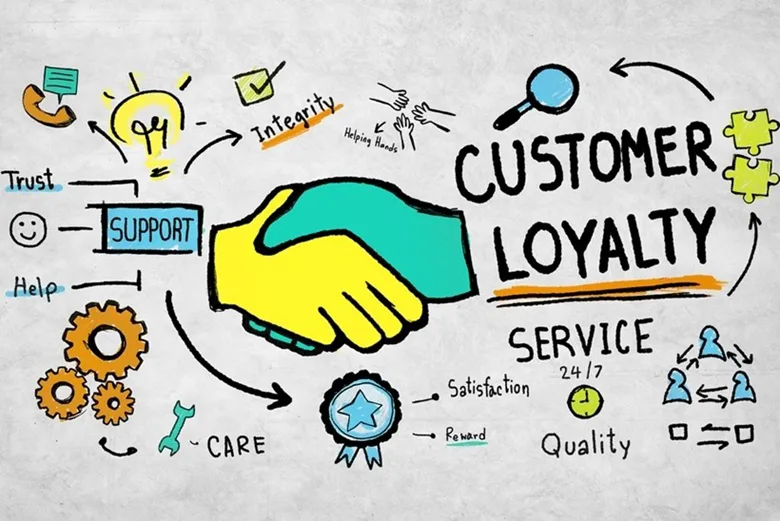
Customer experience encompasses every interaction between businesses and customers, from initial brand awareness through purchase and ongoing relationship. In competitive markets where products and prices increasingly converge, experience differentiation becomes critical for attracting and retaining customers. Companies recognized for exceptional service command premium pricing, enjoy higher customer lifetime value, and benefit from word-of-mouth marketing that paid advertising cannot replicate. Building customer-centric organizations requires intentional culture development, employee empowerment, process optimization, and continuous feedback integration, transforming customer satisfaction from abstract goal into operational priority.
Understanding Customer Journey and Pain Points
Customer journey mapping visualizes every touchpoint from initial problem recognition through post-purchase support, identifying friction points degrading experience. Research methods from surveys to user testing to behavioral analytics reveal what customers actually do versus what they report, often uncovering unrecognized obstacles. Persona development creates archetypal customer profiles representing different segments with distinct needs, preferences, and behaviors. Empathy exercises like customer shadowing or frontline employee rotation help leadership understand practical challenges from customer perspective. Moment of truth analysis identifies critical interactions disproportionately influencing overall satisfaction and loyalty. Voice of customer programs systematically collect and analyze feedback across channels, ensuring decisions reflect actual customer priorities rather than internal assumptions. Competitive benchmarking reveals industry standards and best practices while identifying differentiation opportunities. However, customer feedback requires careful interpretation, as stated preferences sometimes diverge from revealed preferences observable through behavior.
Operational Excellence and Service Delivery
Employee training investing in both product knowledge and soft skills like active listening and problem-solving creates frontline teams capable of exceptional service. Empowerment giving staff authority to resolve issues without escalation speeds resolution while demonstrating trust that enhances job satisfaction. Service recovery protocols turning mistakes into opportunities for demonstrating commitment often create more loyalty than flawless but unremarkable transactions. Omnichannel integration providing seamless experiences across physical locations, websites, mobile apps, and phone support prevents frustration from disjointed interactions. Personalization leveraging customer data to tailor recommendations, communications, and experiences makes customers feel valued as individuals. Proactive communication anticipating needs and updating customers without requiring them to ask demonstrates attentiveness building trust. Wait time minimization through staffing optimization, self-service options, and queue management respects customer time as valuable. Accessibility ensuring products and services remain usable by people with various disabilities expands market reach while fulfilling social responsibility.
Measurement and Continuous Improvement
Net Promoter Score measuring likelihood of customer recommendations provides simple metric tracking loyalty trends over time. Customer satisfaction surveys gathering specific feedback about recent interactions identify strengths to replicate and weaknesses requiring attention. Customer effort score assessing how easy interactions feel from customer perspective highlights unnecessary friction in processes. Retention rates and churn analysis reveal whether customer experience initiatives actually impact behavior beyond satisfaction scores. Customer lifetime value calculations justify experience investments by quantifying long-term relationship worth. Social media monitoring captures unsolicited feedback and identifies emerging issues before they escalate. Mystery shopping programs evaluate service quality from customer perspective, revealing gaps between standards and actual delivery. A/B testing compares different approaches to interactions, basing improvements on evidence rather than opinions. Employee engagement correlates strongly with customer satisfaction, making workforce surveys important leading indicators of customer experience quality. Closed-loop feedback systems ensure customer input drives action rather than disappearing into reports, with customers informed about changes resulting from their suggestions. The most successful organizations embed customer-centricity into culture rather than treating it as separate program, ensuring every decision considers customer impact. This requires leadership commitment, appropriate incentives, and regular reinforcement that customer experience represents everyone’s responsibility regardless of role or department.